No two hand-hammered bowls sound exactly alike, and that is the point. Each one carries the marks of the hands that made it. Here is a short look at the steps that give a bowl its voice.
It starts with the metal
Traditional stories often speak of bowls made from several metals joined together. Whatever the recipe, the quality of the metal and the way it is worked decide how a bowl rings. Selecting the right material is the first and quietest part of the craft.
Shaping the bowl
The metal is heated and brought to a rough rounded form. At this stage the bowl is still a blank. It has the shape of a bowl but not yet its sound.

Hammering by hand
Artisans strike the metal again and again, refining the thickness of the wall and the curve of the rim. Because every blow is placed by hand, small differences in thickness remain. These differences are where the layered harmonics come from.
A machine can repeat one shape perfectly. A craftsperson shapes each bowl a little differently, and the ear hears that difference as warmth and depth.
Tuning by ear
Sound is tested throughout. The maker strikes the bowl, listens for clarity and how long it rings, then adjusts the metal and tests again. This is slow work, and it relies on experience more than on any instrument.
The last tool in the workshop is the ear.
Finishing touches
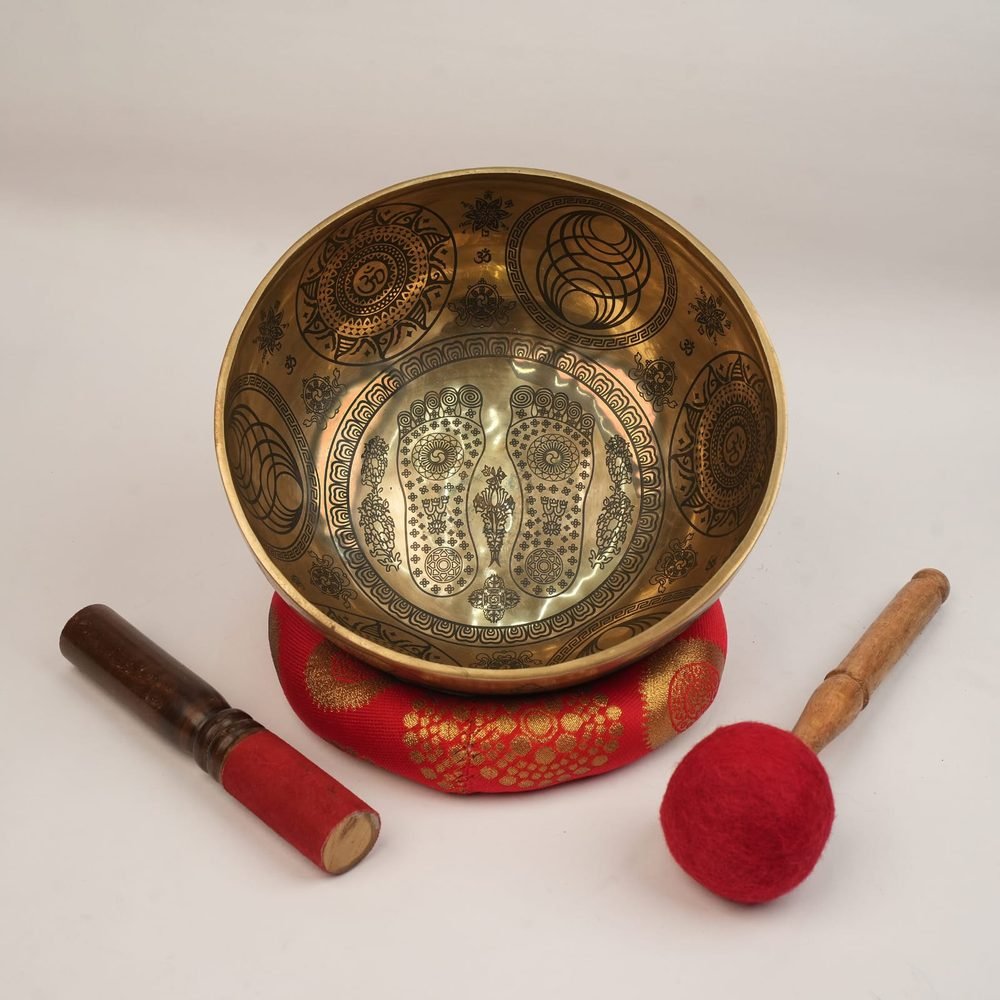
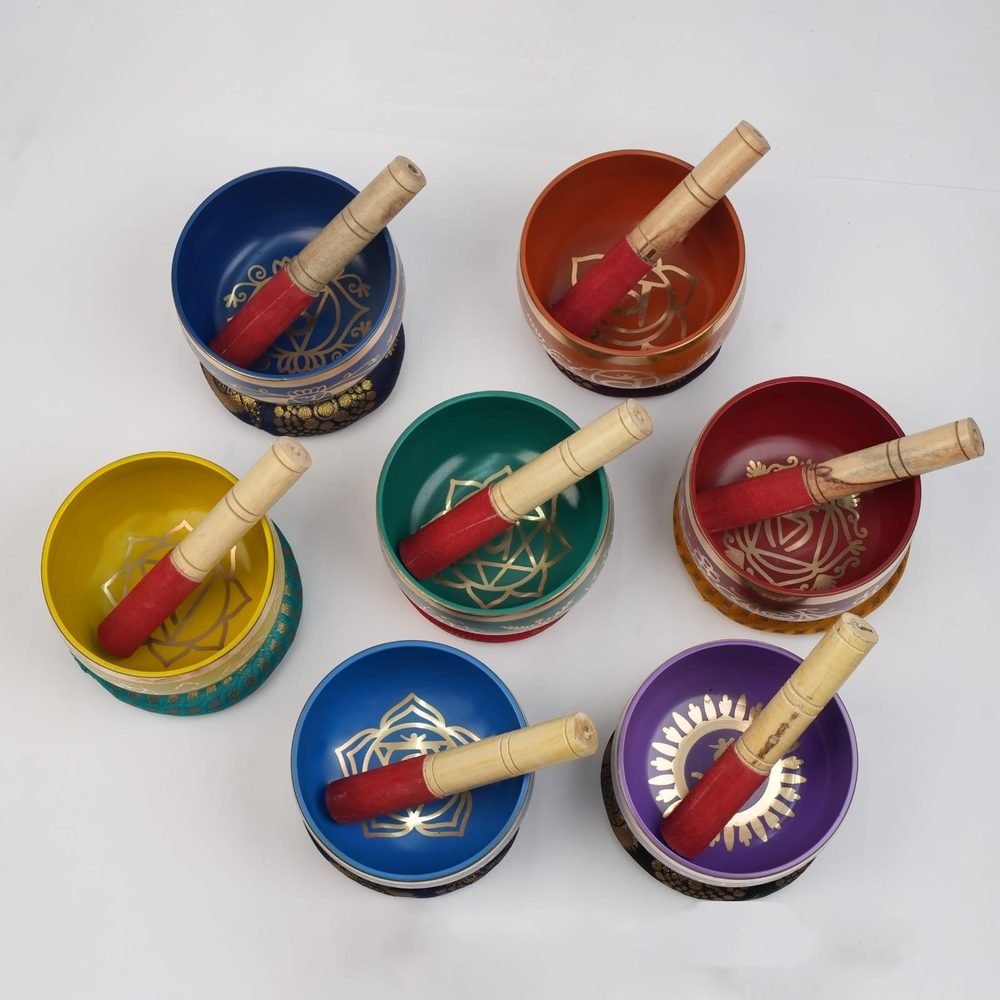
Once the tone is right, the bowl is polished or engraved. Some carry mantras or patterns, others keep a plain, hammered surface. Before a piece ships, it is checked once more for tone, resonance and clarity.
You can see artisans at work in the process video on our Why Us page, or read our full story.